




Updated February 2018 to include changes from FCC Part 95 reform.
All of our FRS and GMRS consumer radios operate on either the GMRS or FRS channels, and most support both. We are sometimes asked for the exact frequencies of these channels. Below is a table showing the channel number, type of channel, and the frequency.
FRS and GMRS Frequencies
| Channel | Type | Frequency | FRS Power / Bandwidth | GMRS Power / Bandwidth |
|---|---|---|---|---|
| 1 | FRS/GMRS | 462.5625 | 2W / 12.5kHz | 5W / 25kHz* |
| 2 | FRS/GMRS | 462.5875 | 2W / 12.5kHz | 5W / 25kHz* |
| 3 | FRS/GMRS | 462.6125 | 2W / 12.5kHz | 5W / 25kHz* |
| 4 | FRS/GMRS | 462.6375 | 2W / 12.5kHz | 5W / 25kHz* |
| 5 | FRS/GMRS | 462.6625 | 2W / 12.5kHz | 5W / 25kHz* |
| 6 | FRS/GMRS | 462.6875 | 2W / 12.5kHz | 5W / 25kHz* |
| 7 | FRS/GMRS | 462.7125 | 2W / 12.5kHz | 5W / 25kHz* |
| 8 | FRS/GMRS | 467.5625 | 0.5W / 12.5kHz | 0.5W / 12.5kHz |
| 9 | FRS/GMRS | 467.5875 | 0.5W / 12.5kHz | 0.5W / 12.5kHz |
| 10 | FRS/GMRS | 467.6125 | 0.5W / 12.5kHz | 0.5W / 12.5kHz |
| 11 | FRS/GMRS | 467.6375 | 0.5W / 12.5kHz | 0.5W / 12.5kHz |
| 12 | FRS/GMRS | 467.6625 | 0.5W / 12.5kHz | 0.5W / 12.5kHz |
| 13 | FRS/GMRS | 467.6875 | 0.5W / 12.5kHz | 0.5W / 12.5kHz |
| 14 | FRS/GMRS | 467.7125 | 0.5W / 12.5kHz | 0.5W / 12.5kHz |
| 15 | FRS/GMRS | 462.5500 | 2W / 12.5kHz | 50W / 25kHz* |
| 16 | FRS/GMRS | 462.5750 | 2W / 12.5kHz | 50W / 25kHz* |
| 17 | FRS/GMRS | 462.6000 | 2W / 12.5kHz | 50W / 25kHz* |
| 18 | FRS/GMRS | 462.6250 | 2W / 12.5kHz | 50W / 25kHz* |
| 19 | FRS/GMRS | 462.6500 | 2W / 12.5kHz | 50W / 25kHz* |
| 20 | FRS/GMRS | 462.6750 | 2W / 12.5kHz | 50W / 25kHz* |
| 21 | FRS/GMRS | 462.7000 | 2W / 12.5kHz | 50W / 25kHz* |
| 22 | FRS/GMRS | 462.7250 | 2W / 12.5kHz | 50W / 25kHz* |
| RPT15 | GMRS | 467.5500 | - | 50W / 25kHz* |
| RPT16 | GMRS | 467.5750 | - | 50W / 25kHz* |
| RPT17 | GMRS | 467.6000 | - | 50W / 25kHz* |
| RPT18 | GMRS | 467.6250 | - | 50W / 25kHz* |
| RPT19 | GMRS | 467.6500 | - | 50W / 25kHz* |
| RPT20 | GMRS | 467.6750 | - | 50W / 25kHz* |
| PRT21 | GMRS | 467.7000 | - | 50W / 25kHz* |
| RPT22 | GMRS | 467.7250 | - | 50W / 25kHz* |
*Note: 20kHz Authorized Bandwidth.
FRS and GMRS Frequencies prior to 2017 Part 95 Reform
| Channel | Type | Frequency |
| 1 | FRS / GMRS | 462.5625 |
| 2 | FRS / GMRS | 462.5875 |
| 3 | FRS / GMRS | 462.6125 |
| 4 | FRS / GMRS | 462.6375 |
| 5 | FRS / GMRS | 462.6625 |
| 6 | FRS / GMRS | 462.6875 |
| 7 | FRS / GMRS | 462.7125 |
| 8 | FRS | 467.5625 |
| 9 | FRS | 467.5875 |
| 10 | FRS | 467.6125 |
| 11 | FRS | 467.6375 |
| 12 | FRS | 467.6625 |
| 13 | FRS | 467.6875 |
| 14 | FRS | 467.7125 |
| 15 | GMRS | 462.5500 |
| 16 | GMRS | 462.5750 |
| 17 | GMRS | 462.6000 |
| 18 | GMRS | 462.6250 |
| 19 | GMRS | 462.6500 |
| 20 | GMRS | 462.6750 |
| 21 | GMRS | 462.7000 |
| 22 | GMRS | 462.7250 |
*Channels 8-14 limited to 0.5 watts.
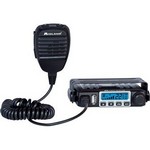 | Midland MXT115 MicroMobile GMRS radio with 15 channels and extreme long range. |
 Updated March 25, 2021
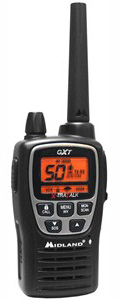 You may have noticed that most of the consumer two-way radios you see around advertise a range of up to 30 miles. The truth is, consumer
